Is It Worth Posting on Social Media for Dentists?


You’ve been posting to Facebook and Instagram for weeks. Maybe months. And the likes? Three. One of them is your hygienist. Your mom liked the last one. So it’s fair to ask: should you just stop?
Short answer. No, don’t stop. But you probably should change what you’re posting and why. Low likes don’t mean social media is failing your practice. They usually mean you’re measuring the wrong thing.
Let me walk you through what those quiet posts are actually doing, when it’s okay to pull back, and how to make your feed work harder without turning it into a second job.
Does No One Liking My Dental Practice Posts Mean Social Media Isn’t Working?
Not at all. Likes and comments are the loudest signals, but they’re far from the only ones that matter. Most people who look at your posts never tap a single button. They just look, form an impression, and move on.
Think about how you use social media yourself. You scroll past a hundred posts a day. How many do you actually like? Maybe one or two. The rest you still saw, read, and quietly judged. Your patients do the exact same thing with your practice.
Here’s what your posts are doing even when nobody reacts:
- A nervous new patient checks your page before their first visit and sees friendly faces. Now they’re less scared.
- Someone referred by a friend wants to confirm you’re a real, active practice. An updated feed tells them yes.
- A current patient sees your post about a cancellation opening and calls to grab it.
- Google and the platforms themselves notice you’re active, which quietly helps you show up.
None of that shows up as a like. All of it matters. So before you quit, understand you’ve been grading yourself on a test that doesn’t count.
The one number that actually tells you something
If you want a real signal, look at reach, not likes. Reach is simply how many people saw your post. Both Facebook and Instagram show it to you for free in your post insights.
A post with two likes but 180 people reached did its job. It got in front of 180 humans, many of them local. That’s 180 small reminders that your practice exists. Compare that to a flyer you’d pay to print and mail. Suddenly two likes looks fine.
Why Is Nobody Liking or Commenting on My Posts?
Usually it comes down to one of three things: you’re posting things people don’t react to, you’re posting at the wrong times, or the platform just isn’t showing your stuff to many people. Often it’s a mix of all three.
The most common reason, by far, is the content itself. A lot of dental pages post things that are perfectly nice but give nobody a reason to engage. Here’s what tends to flop:
- Generic stock photos of a smiling model with perfect teeth
- “Happy National Dentist Day!” graphics that feel copied and pasted
- Dense posts about a procedure, full of clinical words
- Sales-y “Call now to book your cleaning!” with no personality
None of those invite a reaction. They’re broadcasts, not conversations. People scroll right past.
The second issue is timing and consistency. If you post once every three weeks, the platform stops trusting that you’re active. It shows your posts to fewer people. Then you get even fewer likes, which feels discouraging, so you post even less. It’s a downward spiral.
And third, the platforms genuinely do limit how far business posts travel unless you pay. That’s not your fault. It’s just how they make money. Knowing this takes the pressure off. You’re not failing. The deck is a little stacked.
What Should I Post Instead to Actually Get a Response?
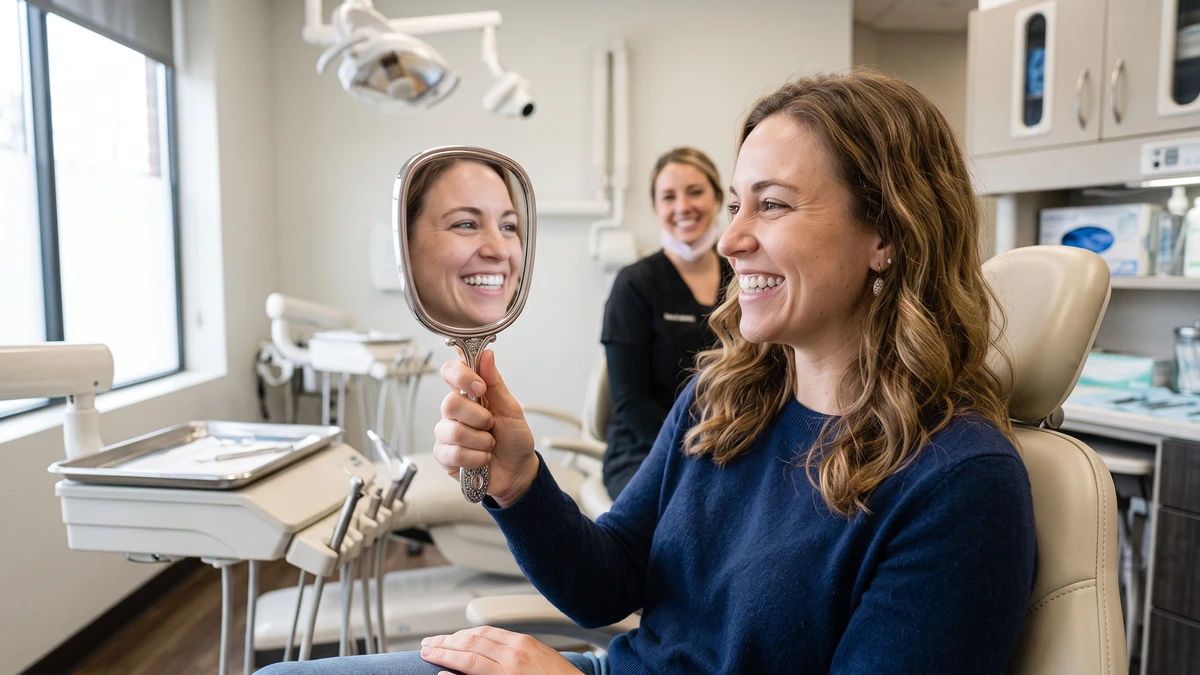
Post things that feel human, local, and real. The posts that get reactions from dental pages are almost never about dentistry. They’re about people. Your team, your patients, your little moments.
Here’s a simple rule I give every practice: if it looks like it came from a dental marketing company, delete it. If it looks like a real person at your office took it on their phone, post it.
These are the kinds of posts that actually earn likes and comments:
- Team moments. Someone’s work anniversary, a birthday, a new hire, a staff lunch. People engage with faces they’ll see in the chair.
- Behind the scenes. Your front desk decorating for the holidays. The sterilization process explained simply. A “day in the life” reel.
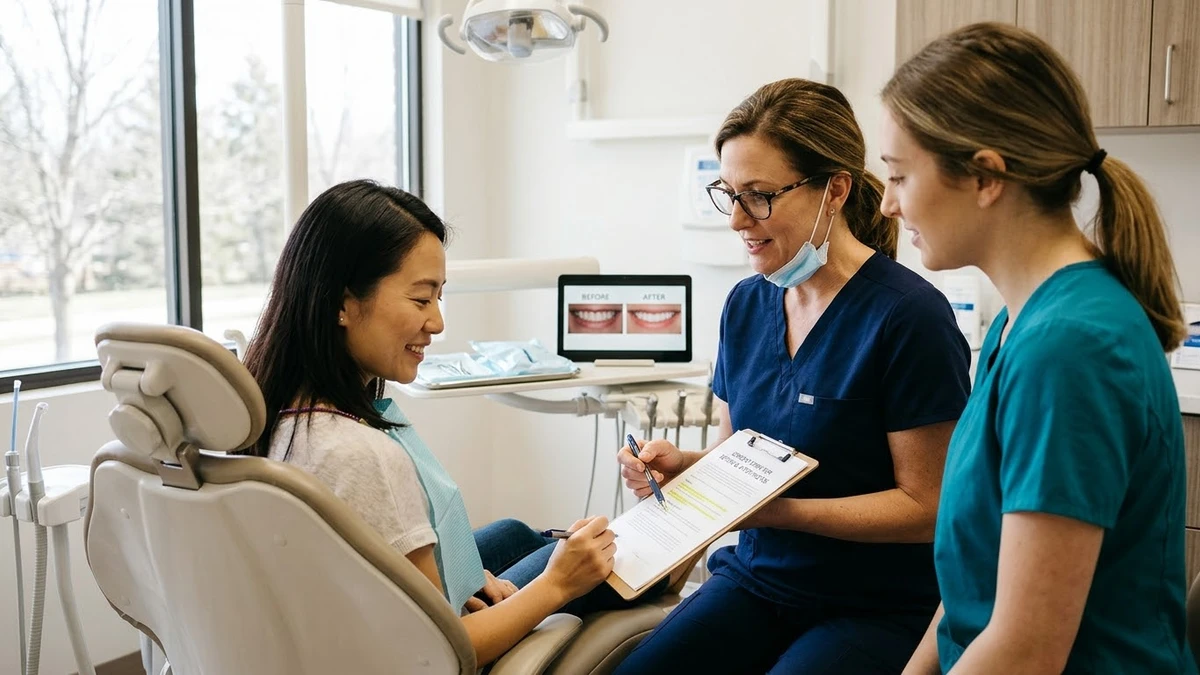
- Patient wins (with permission). A before and after, a kid’s first visit, someone finishing Invisalign. Real transformations get shared.
- Local stuff. You sponsored a Little League team. You’re at the farmers market. You love the coffee shop down the street. Tag them.
- Simple questions. “Electric or manual toothbrush, team? Settle the debate.” Questions beg for comments.
A posting week you can actually copy
You don’t need to post daily. Two or three times a week, done consistently, beats a daily blitz you burn out on in a month. Try this rotation:
- Monday: A team or behind-the-scenes photo with a short, warm caption.
- Wednesday: A quick tip or a question that invites a reply.
- Friday: A patient win, a local shout-out, or something fun and off-topic.
Keep captions short. Write like you talk. Skip the hashtag stuffing. And always, always use your own photos when you can.
How Long Should I Give It Before Deciding to Stop Posting?
Give it at least 90 days of consistent posting before you judge anything. Social media rewards patience, and most practices quit right before it would’ve started working. Three months is the honest minimum.
But here’s the key: during those 90 days, don’t track likes. Track the things that actually matter to your practice. Set up a simple check-in once a month and look at:
- Reach: Are more people seeing your posts than three months ago?
- Page follows: Is the follower count slowly climbing?
- Profile visits: Are people clicking over to see your hours and location?
- Website clicks or calls: Did anyone take an action from your page?
If those numbers are inching up, your social media is working even with modest likes. If they’re totally flat after three honest months of good posts, then it’s worth rethinking your approach, not quitting entirely.
One more thing. If you can only track one business outcome, track where new patients come from. When someone books, have your front desk ask how they heard about you. If social media never comes up over several months, that tells you more than any like count. A simple call tracking setup for your dental office can make this even easier to measure.
Is It Ever Okay to Actually Stop Posting?
Yes, in one specific situation. If you’re posting out of guilt, hating it, and doing it so inconsistently that it’s a half-abandoned page, you have two honest choices. Fix it or pause it properly.
A page that hasn’t been touched in eight months looks worse than no page at all. A patient who finds a dead feed wonders if you’ve closed. So if you’re going to walk away, do it cleanly:
- Make sure your profile info is complete and correct (hours, phone, address, website).
- Pin a recent post to the top so the page doesn’t look stale.
- Turn off messaging or set an auto-reply so nobody feels ignored.
Here’s the thing though. Before you quit social media, make sure your more important free listings are solid. For most dental practices, your Google listing and Map Pack presence drive far more new patients than Instagram ever will. If you only have energy for one thing, that’s the one.
So the better move for most practices isn’t stopping. It’s downshifting. Post twice a month instead of weekly. Make those two posts genuinely good. Protect your energy for what actually fills your schedule.
Should I Pay to Boost Posts or Run Ads Instead?
Maybe, but only after your organic posts are decent. Boosting a bad post just pays to show more people something that already wasn’t working. Fix the content first, then consider spending.
If you do want to try paid, start tiny. Boost one strong post, your best team photo or a real patient story, for ten or twenty dollars targeted to your zip codes. See if reach and follows jump. It’s the cheapest way to learn whether paying moves the needle for you.
For scheduling and keeping track of all this without losing your mind, a simple social media tool helps a lot. Something like Metricool lets you plan posts ahead, post to Facebook and Instagram at once, and see your real numbers in one place. That way you’re not opening three apps and guessing. For practices that want posting and patient outreach handled together, a platform like Weave ties social and patient communication into one system.
Just remember the order. Good content first. Consistency second. Paid promotion last. Skipping to the end wastes money.
What’s the Simplest Way to Keep Posting Without Burning Out?
Batch it. Instead of scrambling for a post idea three times a week, sit down once a month for 30 minutes and plan it all out. This single habit is what separates practices that keep going from ones that quit.
Here’s a quick batching session you can run with your team:
- Grab your phone and the office calendar. Note any birthdays, anniversaries, or events this month.
- Walk around and snap five or six candid photos. Team, office, anything real.
- Write short captions for each right then while you remember the moment.
- Schedule them out across the month using your posting tool.
- Done. You don’t think about it again until next month.
That’s it. Social media stops being a daily anxiety and becomes a half-hour monthly task. Anyone on your team who’s comfortable with their phone can run it. It doesn’t have to be the owner or office manager every time.
And please, stop refreshing to check the likes. The likes aren’t the point. Showing up consistently, looking active and friendly, and staying in front of your community is the point. Do that for 90 days and judge the real numbers after.
Frequently Asked Questions
How many likes should a dental practice post get?
There’s no magic number, and chasing likes is the wrong goal. For most local dental pages, a handful of likes per post is completely normal. Focus on reach, which is how many people saw it. A post seen by 150 local people with three likes is working fine.
How often should a dental practice post on social media?
Two to three times a week is plenty for most practices. Consistency matters more than volume. A steady two posts a week beats a daily rush you abandon after a month. If that feels like too much, two solid posts a month, done reliably, still keeps your page active and credible.
Does social media actually bring in new dental patients?
Sometimes directly, but more often it supports other channels. Many new patients check your social media before booking even if they found you on Google first. It builds trust and makes you look active and real. To see direct impact, ask new patients how they heard about you and track the answers over a few months.
Should I delete my social media page if I’m not posting?
Don’t delete it, but don’t leave it abandoned either. A dead page looks worse than no page. If you’re stepping back, make sure your hours, phone, and address are correct, pin a recent post, and set up an auto-reply for messages so patients aren’t ignored.
What type of post works best for dental practices?
Human, real-life posts win. Team photos, behind-the-scenes moments, patient wins with permission, and local shout-outs get far more engagement than stock photos or clinical graphics. If a post looks like it came from a marketing company, it won’t perform. If it looks like a real person at your office took it, it will.
Grab Our Free 30-Day Dental Social Media Post Plan
Stop staring at a blank screen wondering what to post. Get a done-for-you month of post ideas, caption templates, and a simple batching checklist built for dental practices run by busy, non-marketer people. It’s free and you can start using it today.