No-Show Text Templates to Get Patients Rebooked

A patient blows off their 9 a.m. cleaning. Your hygienist is standing around. That chair is now dead revenue you’ll never get back. And the worst part? Most practices just let that patient disappear.
The good news: a single well-written text can bring a lot of those people back. Not a phone call they’ll dodge. Not a snippy voicemail. A short, friendly text they’ll actually read in the next few minutes.
This is your playbook. You’ll get the exact words to send, when to send them, and how to avoid sounding like a collections agency. Copy them, tweak the name of your practice, and hand them to whoever runs your schedule.
Why Should You Text a No-Show Instead of Calling?
Text because that’s where people actually respond. Studies of appointment reminders consistently show texts get opened and answered far more than phone calls or emails. Most folks read a text within minutes. A voicemail? It might sit there for days, if they listen at all.
There’s another reason texting works better after a no-show. Calling can feel confrontational. The patient already feels a little guilty for missing. When your phone rings, they brace for a lecture. A text gives them room to respond on their own time, without the awkward back-and-forth.
Texting is also faster for your team. One person can send five reschedule texts in the time it takes to leave one voicemail. That matters when your front desk is already buried.
So the rule is simple: text first. If they don’t reply after a couple of tries, then call.
How Fast Should You Send the First Text After a Missed Appointment?
Send it within an hour of the missed slot. The sooner you reach out, the more likely they’ll rebook. Wait three days and the appointment fades from their memory. They move on. So do you, honestly.
Fast follow-up also tells the patient you noticed. Not in a guilt-trip way. In a “we saved that time for you and we care” way. That subtle signal matters more than you’d think.
Here’s a timeline that works for most practices:
- Within 1 hour: Send the first friendly text. Keep it light. Assume they forgot.
- Day 2 (if no reply): Send a second text with a clear rebooking option.
- Day 4-5 (if still nothing): Make one phone call, then send a final text.
- Two weeks later: Move them into your regular win-back list, not your no-show follow-up.
Don’t send five texts in five days. That’s how you end up blocked. Three touches, spaced out, is the sweet spot.
What Should the First No-Show Text Actually Say?
Keep it short, warm, and assume the best. The first message should never scold. Ninety percent of no-shows are honest mistakes. Someone forgot, their kid got sick, work blew up. Treat them like they simply missed it, because they usually did.
Your first text has one job: make it stupidly easy to rebook. Here’s a template you can use word for word.
Template 1 – The friendly first touch:
“Hi [First Name], this is [Name] at [Practice Name]. We missed you at your appointment today! No worries at all – I know things come up. Want me to find you a new time this week? Just reply here and I’ll take care of it. 😊”
Notice what that does. It’s casual. It removes the shame. And it ends with a simple ask that only requires a one-word reply. You’re not making them call, dig up your number, or navigate a menu. You’re doing the work for them.
Avoid words like “failed to attend,” “missed appointment fee,” or “policy” in that first message. Save the serious stuff for repeat offenders, if ever.
What Do You Text If They Don’t Reply to the First One?
Give them a nudge with an actual time slot. When the first text gets silence, don’t repeat yourself. Change the message. Offer a specific opening so their brain has something concrete to say yes to.
People freeze when you ask an open question like “when works for you?” It’s one more decision on a busy day. But if you hand them a real slot, all they have to do is confirm.
Template 2 – The specific-slot follow-up:
“Hi [First Name], it’s [Name] at [Practice Name] again. I’ve got a spot open Thursday at 2:00 or Friday at 10:30 – either work to get you back in? Just reply with the day and it’s yours. 🦷”
Two options, not ten. Too many choices and they stall. Two clear times feel manageable.
If the missed visit was something time-sensitive, like a crown seat or a follow-up after a deep cleaning, add a gentle reason to act. Something like:
“Hi [First Name], we don’t want that temporary crown sitting too long – it can get uncomfortable. Can I grab you a spot this week? I’ve got Tuesday morning open.”
That’s not pressure. That’s you looking out for them. Big difference.
How Do You Handle a Patient Who No-Shows Over and Over?
Be warmer than you feel, but add a little structure. Repeat no-shows are frustrating, especially when they cost you hundreds in lost chair time. Still, an angry text won’t fix the behavior. It just guarantees they never come back.
For a chronic no-show, you can shift the approach slightly. Offer a time that’s easier to keep, and gently mention how you schedule.
Template 3 – The repeat no-show:
“Hi [First Name], we’d still love to get you taken care of. Since mornings seem tricky, would a late-afternoon slot be easier? Let me know and I’ll hold it for you. We’ll also send a couple of reminders so it’s easy to remember!”
See how that frames the reminders as a favor, not a warning? You’re solving their problem, not punishing them.
For patients who’ve missed three or more times, it’s fair to ask for a small deposit to hold the appointment, or to book them only in slots you can afford to lose. That’s a business decision. Just deliver it kindly:
“Hi [First Name], we’ve had a few missed appointments, so to hold your next visit we ask for a small $[amount] deposit that goes straight toward your treatment. Want me to text you a link to book?”
Most people understand. The ones who don’t were probably never going to show anyway.
Should You Automate These Texts or Send Them by Hand?
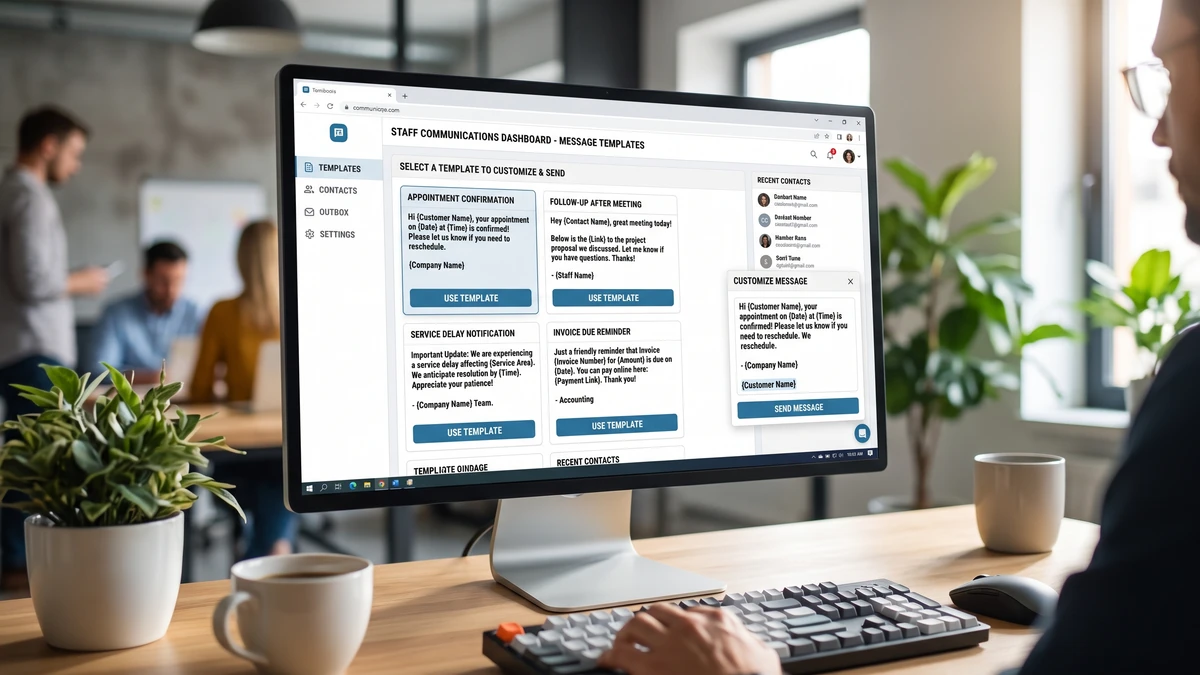
Do both. Automate the reminders that prevent no-shows, and send the recovery texts by hand so they feel personal. The best setup mixes automatic reminders before the appointment with human follow-up after a miss.
Reminders that go out automatically before the visit stop a lot of no-shows before they happen. A text two days out and again the morning of catches most forgetful patients. Software like Weave or a similar two-way texting platform built for dental offices can handle those automatically and let your team reply right from the same screen.
But the after-a-no-show text? Keep that human. A real message from a real person named at your desk lands better than an obvious robot blast. “Hi Sarah, this is Megan” beats “YOUR APPOINTMENT WAS MISSED” every single time.
If you’re just getting started and don’t have texting software yet, you can still do this from a Google Voice number or your practice management system’s built-in messaging. The templates work the same. The tool just makes it faster once your volume grows.
Whatever you use, save these templates somewhere your whole front desk can grab them. A shared doc works fine. That way nobody’s staring at a blank screen wondering what to say.
How Do You Keep No-Shows From Happening in the First Place?
Prevent them with clear reminders and an easy way to reschedule early. Recovery texts are great, but the cheapest no-show is the one that never happens. A few small habits cut your no-show rate more than any recovery script.
Here’s a simple prevention checklist:
- Send two reminders: One 48 hours out, one the morning of. Include the date, time, and a one-tap way to confirm or change it.
- Make canceling easy: Sounds backwards, right? But a patient who can quickly text “can’t make it, need to move” frees up your chair with notice. That beats a silent no-show every time.
- Confirm out loud at checkout: When they book, have them save the date in their phone before they leave. A calendar entry beats a paper card.
- Personalize when it matters: For big appointments, a quick personal text the day before keeps them committed.
- Track your worst offenders: Flag repeat no-shows in your system so you can book them smarter.
The goal is a schedule that mostly runs itself, with your recovery texts catching the few that slip through. Building those habits is a lot like the daily routines that keep any business steady – small, boring, and worth it. If you like that kind of thinking, our take on simple daily routines that set the tone is a fun read on the same idea.
One more thing. Track your numbers. Count how many no-shows you recover each month with these texts. When you see that number climb, you’ll know the two minutes it takes to send them is the best-paid two minutes in your day.
Frequently Asked Questions
Is it legal to text patients about appointments?
Yes, as long as the patient opted in to receive texts, which most do when they fill out intake forms. Keep messages about their care and scheduling, avoid sharing sensitive health details in a text, and always include an easy way to opt out. Check your state rules and use a HIPAA-conscious texting platform to stay safe.
How many times should I text a no-show before giving up?
Three touches is the sweet spot: a friendly text within an hour, a second text with a specific slot on day two, and a final call plus text around day four or five. After that, move them to your long-term win-back list instead of chasing.
Should I charge a no-show fee?
Only for repeat offenders, and only if you’ve clearly told patients about the policy up front. A one-time miss is almost always an honest mistake and doesn’t deserve a fee. For chronic no-shows, a small deposit that applies to treatment works better than a punishment fee.
What tone works best in a no-show text?
Warm and blame-free. Assume the patient simply forgot, make rescheduling effortless, and never use words like “failed” or “policy” in the first message. People rebook far more often when they don’t feel scolded.
Can I use these templates without special software?
Absolutely. You can send them from a Google Voice number or your practice management system’s built-in messaging. Software just speeds things up and adds automatic reminders once your patient volume grows.
Get the Full No-Show Recovery Text Swipe File
Want every template from this article plus reminder texts, win-back messages, and deposit scripts in one copy-paste doc your whole front desk can use? Grab our free dental texting swipe file and start filling those empty chairs this week.