Lunch-Hour Answering Services for Dental Offices

Picture this. It’s 12:15 on a Tuesday. Your whole team is in the break room eating salads and someone’s phone. The front desk phone rings four times, goes to voicemail, and the caller hangs up. That caller? A new patient with a cracked tooth who just Googled “dentist near me” and called the top three results. You were number one. Now you’re a missed voicemail.
That’s the lunch-hour problem in a nutshell. And it’s exactly why so many practices ask whether an answering service is worth it. Let’s walk through the real answer.
What Is a Dental Answering Service, Exactly?
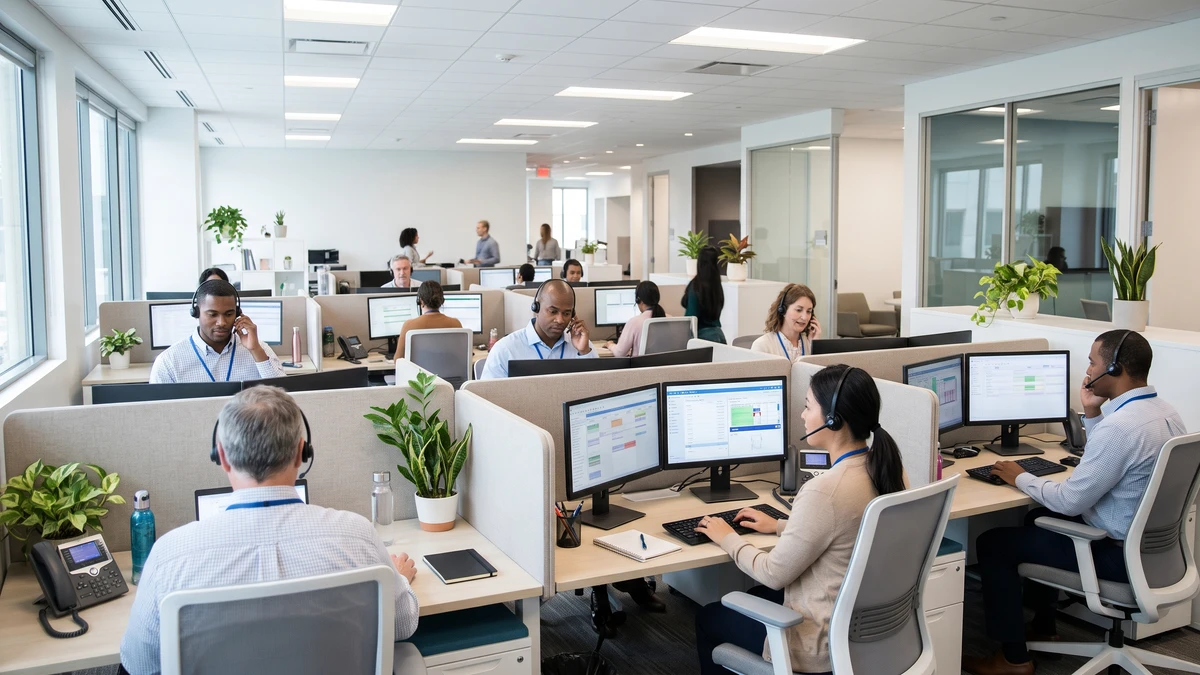
A dental answering service is a company that answers your practice’s phone when your team can’t. A live person picks up, greets the caller with your practice name, takes a message or books an appointment, and passes the details to you. Think of it as a temporary front desk that clocks in when yours clocks out.
There are two flavors, and they’re not the same thing:
- Basic answering service. A live agent answers, takes a message, and emails or texts it to you. They don’t book appointments. Cheaper, simpler.
- Dental-specific scheduling service. Agents are trained on dental terms, can access your scheduling software, and actually book the appointment while the caller is on the line. More expensive, but far more valuable.
The difference matters a lot for the lunch question. A message-taker just delays the callback. A scheduler captures the patient right then.
Why Does the Lunch Hour Matter So Much for a Dental Practice?
Because lunch is prime calling time for the people you most want to reach. Working patients call when they’re on their own break. That’s the 11:30 to 1:30 window, and it lines up almost perfectly with when your front desk is empty.
Here’s what makes it worse. New patients and emergency callers rarely leave a voicemail. If nobody answers, most just move on to the next practice. A returning patient might call back later. A stranger with a toothache won’t wait.
So the lunch hour isn’t a small gap. It’s the exact time your highest-value calls come in and your phone is least likely to be answered. That’s the whole case for coverage.
How Many Calls Are You Actually Missing?
Most offices have no idea, and that’s the first thing to fix. Before you spend a dime on a service, find out how big the problem really is.
Two easy ways to check:
- Look at your phone system’s call log for the last 30 days. Filter for missed and abandoned calls between 11:30 a.m. and 1:30 p.m.
- If your phone system doesn’t show that, use a call tracking tool. Services like CallRail record which calls came in, when, and whether anyone picked up. You’ll see your lunch-hour gap in black and white.
If you’re missing two or three calls a day at lunch, and even one of those is a new patient, the math starts making itself. A single new patient can be worth hundreds or thousands over their time with you.
What Are the Pros of Using an Answering Service Over Lunch?
The biggest upside is simple. You stop losing patients to the practice down the street just because you were eating a sandwich. But there’s more to it.
- You capture new patients when they’re ready. The moment someone decides to book is fragile. A live answer keeps them from calling your competitor.
- Emergencies get handled fast. A patient in pain feels cared for instead of ignored. That’s good dentistry and good marketing.
- Your team gets a real break. No more one person wolfing lunch while babysitting the phone. Morale actually improves.
- You look bigger and more professional. A polished live greeting at noon signals a well-run office, even to a first-time caller.
- It’s cheaper than a full-time hire. You’re covering a two-hour gap, not paying a salary and benefits.
That last point is the one owners underestimate. You’re not replacing a person. You’re plugging a specific hole in your schedule for a fraction of the cost.
What Are the Cons You Should Know About?
An answering service isn’t a magic fix. The main risk is a caller can tell they’re not talking to your actual team. A generic, script-reading agent can feel cold, and that first impression matters.
Here’s the honest list of downsides:
- Quality varies wildly. A cheap general service may not understand dental terms. “I need a crown” might get logged as “needs a crown for a costume party.” (Yes, that kind of thing happens.)
- It can feel impersonal. If your practice sells itself on a warm, family feel, a robotic agent undercuts that.
- Booking access is a setup hurdle. Letting a third party into your scheduling software takes coordination and clear rules.
- There’s a monthly cost even in slow months. Some plans charge whether the phone rings or not.
- Handoffs can drop the ball. If messages arrive as a jumble of emails at 1:30, your team still has to sort and call everyone back.
None of these are dealbreakers. But they’re the reasons a bad answering service is worse than no answering service. You have to pick well.
What Does a Dental Answering Service Actually Cost?
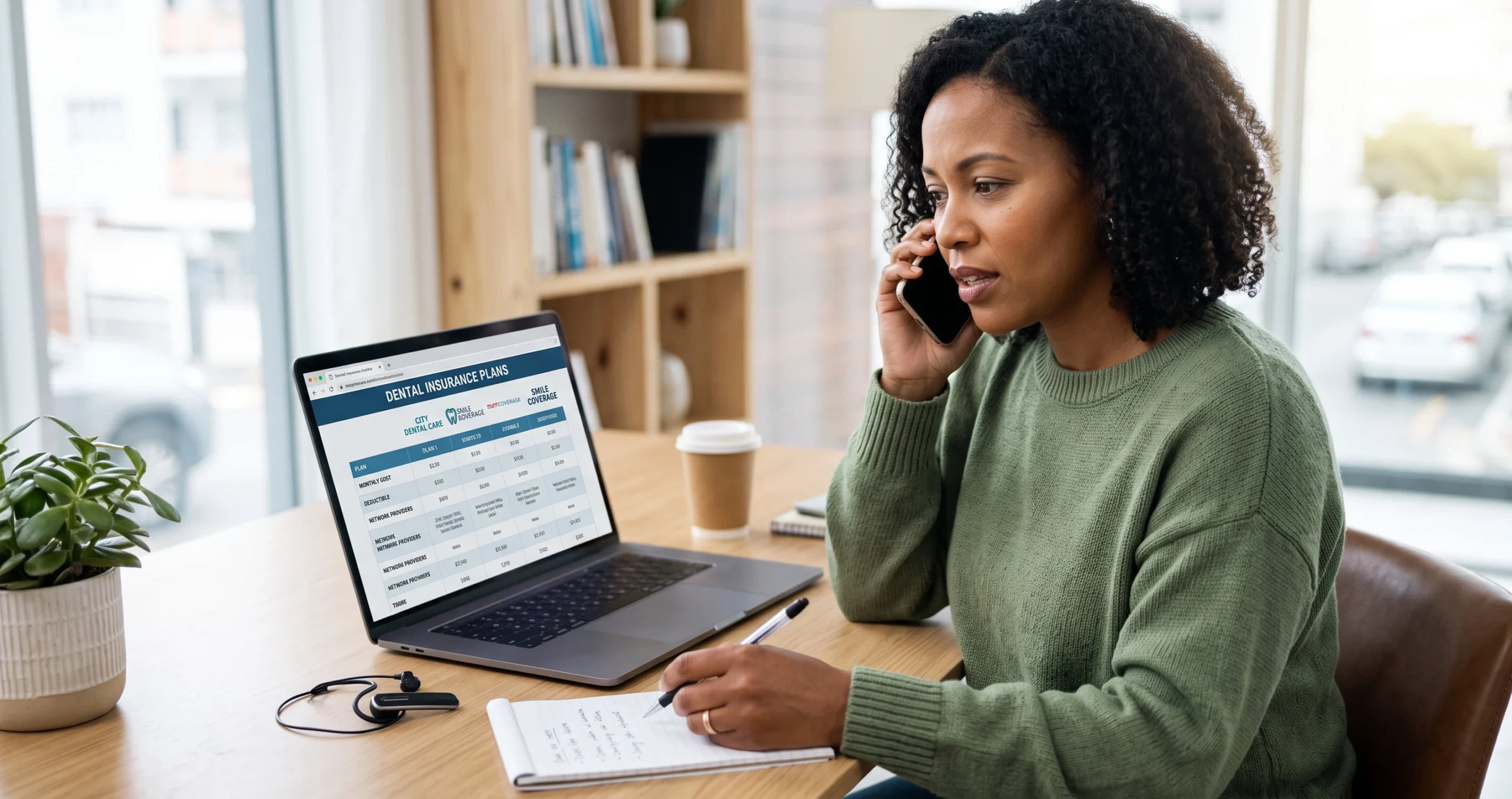
Most dental answering services price by the minute or by the call, not a flat rate. For lunch-only coverage, you’re usually looking at somewhere between $50 and $300 a month depending on your call volume and whether agents book appointments.
Here’s a rough breakdown so you know what you’re reading when you get a quote:
- Per-minute plans. Common rate is around $1 to $2 per minute of talk time. A typical booking call runs 3 to 5 minutes. Good for low volume.
- Per-call plans. Often $2 to $6 per call handled. Easier to predict if your call length varies.
- Monthly bundles. You buy a block of minutes or calls upfront, like 100 calls for $150. Overage rates apply past the block.
- Dental scheduling services. These cost more, sometimes $300 to $600+ a month, because agents are trained and book directly into your software.
Watch for setup fees, contract length, and how they bill hold time. Ask every provider these three questions before signing:
- Is there a minimum monthly charge even if I get zero calls?
- Do you charge for the time an agent spends on hold or on wrap-up after the call?
- Can I set my coverage to just my lunch window, or do I pay for full-day availability?
Run the number against what one new patient is worth to you. If lunch coverage costs $150 a month and it books you two extra new patients, that’s an easy yes.
Are There Cheaper Alternatives Before You Pay for a Service?
Absolutely. An answering service isn’t the only way to solve the lunch gap, and some fixes cost nothing. Try these first if the budget’s tight.
Stagger Your Lunch Breaks
The simplest fix. Have one front desk person cover 11:30 to 12:30, another cover 12:30 to 1:30. The phone’s never fully unmanned. Costs zero and often solves the whole problem in a small office.
Add Online Booking
Let patients book themselves when nobody’s at the desk. A tool like NexHealth puts a “Book Now” button on your website and syncs to your schedule. A patient who can’t reach you by phone at noon can still grab a slot in ten seconds. This one pays off around the clock, not just at lunch.
Use a Smart Voicemail With a Callback Promise
Not ideal, but better than dead silence. Record a warm lunch-hour greeting that gives a specific callback time and a text option. Something like: “You’ve reached Smile Dental. We’re with patients until 1:30 and will call you right back. For faster service, text us at this number.” Then actually deliver on the callback.
Turn On Text Messaging
Many patients would rather text than call anyway. If your phone system or booking software can receive texts, a caller who hits voicemail can shoot you a quick message instead of hanging up.
These don’t fully replace a live human for a scared, in-pain caller. But they take real pressure off the lunch gap, and you might find they’re enough.
How Do You Decide What’s Right for Your Practice?
Match the fix to the size of your problem. Don’t buy a service to solve a gap you don’t actually have. Here’s a simple way to think it through.
Go with staggered breaks if: you have two or more front desk people and only miss a call or two at lunch. Free is free.
Go with online booking plus voicemail if: you’re a smaller office, your callers are mostly existing patients, and your budget is tight. Fix the whole day, not just lunch.
Go with a dental answering service if: you’re missing several calls a day, many are new patients or emergencies, and you can’t cover the desk any other way. The revenue from captured new patients will dwarf the cost.
One more thing. Whatever you choose, measure it. Check your call log again 30 days later. If you added a service and your captured calls jumped, keep it. If nothing moved, drop it or switch providers. Marketing decisions should earn their keep, and this is no different from how you’d judge any other investment in reaching patients.
What Should You Look for When Choosing a Provider?
Pick a service built for medical or dental offices, not a general call center that also answers for plumbers. The difference shows up in every call. Use this checklist when you shop.
- HIPAA compliance. Non-negotiable. Get it in writing that they handle patient info by the rules.
- Dental training. Agents should know the difference between a cleaning, a crown, and an emergency.
- Custom greeting. They answer with your practice name and your tone, not a generic script.
- Real-time booking. If you want appointments captured, confirm they can access your scheduling software directly.
- Fast message delivery. Messages should arrive by text or email within minutes, formatted so your team can act fast.
- Lunch-only coverage. Confirm you can schedule them for just your gap and not pay for hours you don’t need.
- A trial period. Good providers let you test-drive. Call your own line at lunch during the trial and hear how they sound.
Do that last one before you commit. Call in as a mystery shopper with a fake toothache. If the agent handles it warmly and gets you booked, you’ve found your answer. If they fumble, keep looking.
Frequently Asked Questions
Do most dental patients even leave a voicemail if no one answers?
No, and that’s the core problem. New patients and emergency callers usually hang up and call the next practice rather than leave a message. Existing patients are more likely to try again later, but you still lose the ones who needed you right now.
Can an answering service actually book appointments in my software?
Yes, if you choose a dental-specific scheduling service. Those agents get access to your calendar and book the patient during the call. Basic answering services only take messages, so pick based on whether you want booking or just callbacks captured.
Is a lunch-hour answering service HIPAA compliant?
It has to be if it handles patient information. Only work with a provider that offers a signed business associate agreement and can explain how they protect patient data. Never use a general call center that can’t confirm HIPAA compliance.
How much should I budget for lunch-only coverage?
For a basic message-taking service covering just your lunch window, expect roughly $50 to $150 a month. A dental scheduling service that books appointments runs higher, often $300 or more. Compare that to the value of one or two new patients a month.
What’s the cheapest way to fix missed lunch calls?
Staggering your team’s lunch breaks costs nothing and works well if you have two or more front desk people. Adding online booking is the next best low-cost move because it captures patients any time your phone goes unanswered.
Grab Our Free Front Desk Phone Scripts
Whether you use a live agent or your own team, the words matter. Get our free swipe file of phone and voicemail scripts built to turn callers into booked patients, including a ready-to-record lunch-hour greeting you can use today.