Simple Call Tracking Setup for Dental Offices


Here’s a number that stings. The average dental practice misses somewhere around a third of its incoming calls. Not because your team is lazy. Because they’re checking out a patient, sterilizing a room, or already on another line.
Every one of those missed calls could be a new patient worth thousands over their lifetime. And most offices have no idea it’s happening.
The fix is something called call tracking. It sounds technical, but the basic version is easy to set up and cheap to run. This guide walks you through a simple call tracking setup for your dental practice, step by step, so you can finally see how many new patients you’re missing and do something about it.
What Is Call Tracking and Why Should a Dental Office Care?
Call tracking is a tool that shows you where your phone calls come from and what happens on them. It uses special phone numbers to tell you which ad, web page, or listing made someone pick up the phone. It can also record calls and flag the ones nobody answered.
For a dental office, this matters for two big reasons.
First, the phone is still where most new patients book. Somebody sees your practice on Google, has a question about insurance, and calls. If that call drops or goes to a full voicemail, they call the next office on the list.
Second, you’re probably spending money to make the phone ring. Google Ads, postcards, a new website. Without call tracking, you’re guessing which ones actually work. You might be pouring money into a campaign that produces nothing while starving one that quietly books your best patients.
So call tracking answers two questions at once: How many calls are we missing? And which marketing is worth the money?
How Do You Know If You’re Even Missing Calls Right Now?
You probably already suspect it, but here’s how to confirm it without spending a dime. Pull your phone records for the last month and look for patterns.
Most phone systems, including basic VoIP setups (phone service that runs over the internet), let you export a call log. Ask whoever manages your phones for it. Then look at three things:
- Missed calls. How many calls rang and got no answer? Highlight them.
- Call times. When do the missed calls happen? You’ll likely see clusters around lunch, first thing in the morning, and the last hour of the day.
- Voicemail volume. How many callers left a message? How many just hung up?
Add up the missed calls and multiply by your average value of a new patient. Even a conservative number will make you sit up straight. If you miss 40 calls a month and just three of them were new patients worth $800 each in their first year, that’s $2,400 walking out the door monthly.
That quick math is your reason to keep reading.
What’s the Simplest Call Tracking Setup for a Small Practice?
The simplest setup uses one call tracking number that forwards to your real front desk line. You place that tracking number wherever your patients find you online. The software records who called, when, how long the call lasted, and whether anyone answered.
Here’s the whole thing in plain steps.
- Sign up for a call tracking tool. A service like CallRail is built for exactly this. You create an account and it gives you tracking phone numbers.
- Get one tracking number to start. Don’t overthink it. One number is plenty for your first month.
- Point it at your front desk. Set the tracking number to forward to your actual office line. Patients never know the difference. They dial, it rings your desk, they book.
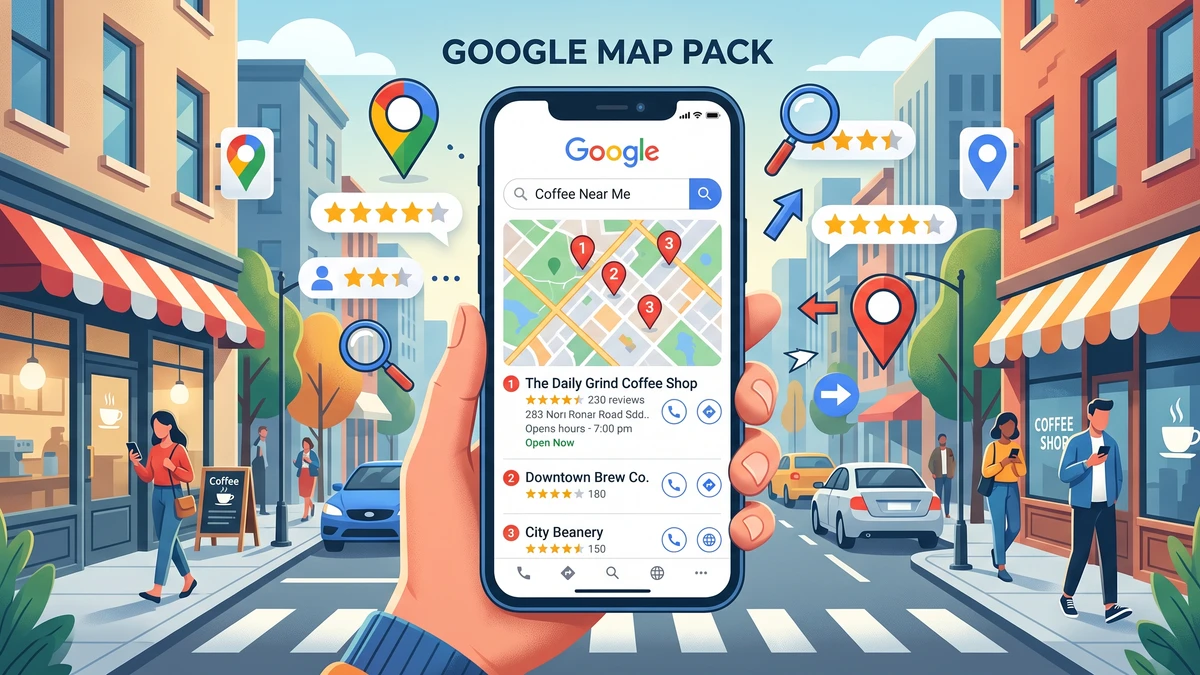
- Swap the number on your Google Business Profile. Your Google Business Profile is the free listing that shows your practice in Google Maps and search. Put the tracking number there so you can measure calls from Google.
- Turn on call recording and missed-call alerts. This is the part that changes everything. You’ll get a text or email every time a call goes unanswered.
That’s it. You now have a working call tracking setup. You can do this in an afternoon, and you don’t need an IT person.
Won’t Changing My Phone Number Hurt My Google Ranking?
This is the fear that stops most people, and it’s a fair one. The short answer: it’s fine as long as you’re consistent and smart about it. You are not changing your main office number. You’re using a forwarding number in specific spots.
Google does care about your NAP, which stands for Name, Address, and Phone number. It wants that information to match across the web. So the rule is simple. Pick one tracking number for your Google Business Profile and use only that number there. Keep your real number everywhere else, or use dedicated tracking numbers per source with a tool that handles this cleanly.
Good call tracking software is built with local dental SEO in mind. It won’t hurt your rankings if you follow the setup instructions. The calls still land at your desk, and patients still book. Nothing about the patient experience changes.
If you want to be extra careful, start with call tracking only on your paid ads, since those already use separate landing pages. Add your Google Business Profile once you’re comfortable.
How Do You Figure Out Which Marketing Is Actually Working?
Assign a different tracking number to each marketing source. Then the software tells you exactly which one made the phone ring. No more guessing.
Here’s a simple version of how to split it up:
- Google Business Profile gets one number. These are people finding you in Maps and local search.
- Google Ads gets its own number. Now you know if those ad dollars produce calls.
- Your website gets a number that only shows to visitors from search.
- Print (postcards, flyers, community magazine) gets a number you print on the piece.
After a month you’ll have a report that looks something like: 62 calls from Google Business Profile, 18 from Google Ads, 9 from the website, 2 from the postcard mailer that cost you $1,800.
That last line is the kind of thing that saves practices real money. You’ll know instantly what to cut and what to feed. Tying your spending to actual booked patients is the whole point of good marketing that pays for itself, rather than money you hope is doing something.
What Should You Do With the Missed Calls You Find?
Finding missed calls is only half the job. The money comes from calling those people back fast. Most callers who don’t reach you will book with whoever answers first, so speed wins.
Set up a simple daily routine at your front desk:
- Check the missed-call alerts twice a day. Once mid-morning, once late afternoon.
- Return every missed call the same day. New callers first.
- Log the outcome so you know if the callback worked.
Give your team a script so callbacks feel warm, not awkward. Here’s one you can copy and paste:
“Hi, this is Sarah from Bright Smiles Dental. I saw we missed your call a little earlier and I wanted to reach you personally. How can I help you today? Were you looking to set up a visit?”
Notice it’s apologetic without groveling. It moves straight to booking. That last question does the heavy lifting.
You can also add a text-back feature. Many call tracking tools automatically send a text when a call is missed. Something like: “Hi! Sorry we missed you at Bright Smiles Dental. We’d love to help. Reply here or call us back at [number] and we’ll get you scheduled.” A lot of people prefer texting anyway, and this catches them before they call the next office.
How Do You Use Call Recordings to Book More Patients?
Recordings show you how your team actually handles calls, which is often very different from how you think they handle calls. Listen to a handful each week and you’ll spot easy wins fast.
Focus on the new-patient calls. Listen for these moments:
- Did they ask for the appointment? A shocking number of calls end with “call us back when you decide” instead of “let’s get you on the schedule.”
- How did they handle insurance questions? Vague answers make people hang up. Clear, confident answers build trust.
- What was the tone? Rushed and flat, or warm and welcoming? Patients feel this in the first ten seconds.
- Where did the call fall apart? Long holds, transfers, or fumbling with the schedule all lose bookings.
Pick one thing to improve each month and coach your team on it. Play a great call and a rough call side by side in a team huddle. That comparison teaches more than any training video.
Over time, your booking rate climbs. That’s the same number of calls turning into more actual patients, without spending a dollar more on marketing.
How Much Does a Simple Call Tracking Setup Cost?
For a single-location practice, expect somewhere around $45 to $150 a month depending on how many numbers and minutes you use. Basic plans that cover a small dental office usually land near the low end.
Compare that to what you’re already spending to generate calls. If you’re running any paid advertising, call tracking pays for itself the moment it helps you cut one wasted campaign. And if it helps you recover just one new patient a month from a missed call, it’s paid for many times over.
Start small. One number, one month, one honest look at your missed-call report. You can always add more numbers once you see the value.
The goal isn’t a fancy dashboard. It’s a clear answer to a simple question: how many new patients are we losing on the phone, and how do we stop it?
Frequently Asked Questions
Do patients know they’re calling a tracking number?
No. The tracking number forwards straight to your front desk, so the phone rings the same way it always does. Patients dial, your team answers, and nothing about their experience changes.
Is call recording legal for a dental office?
Recording rules vary by state, and some require you to tell callers. The safe move is a short greeting like “This call may be recorded for quality purposes.” Most call tracking tools can add this automatically. Check your state’s rules to be sure.
Will call tracking work with my current phone system?
Yes. Call tracking sits on top of whatever phones you already have. It simply forwards calls to your existing line, so you don’t need to replace your phone system or hardware.
How long before I see useful data?
You’ll start seeing missed calls the same day. For deciding which marketing works best, give it a full month so you have enough calls to spot real patterns.
Can one person at the front desk manage this?
Absolutely. The daily work is checking missed-call alerts twice a day and returning those calls. Reviewing recordings takes 15 minutes a week. It’s a small habit, not a second job.
Get Our Free Missed-Call Recovery Kit
We put together a done-for-you pack with callback scripts, a text-back template, and a simple missed-call tracking sheet you can hand your front desk today. Grab it free and start turning missed calls into booked patients this week.